
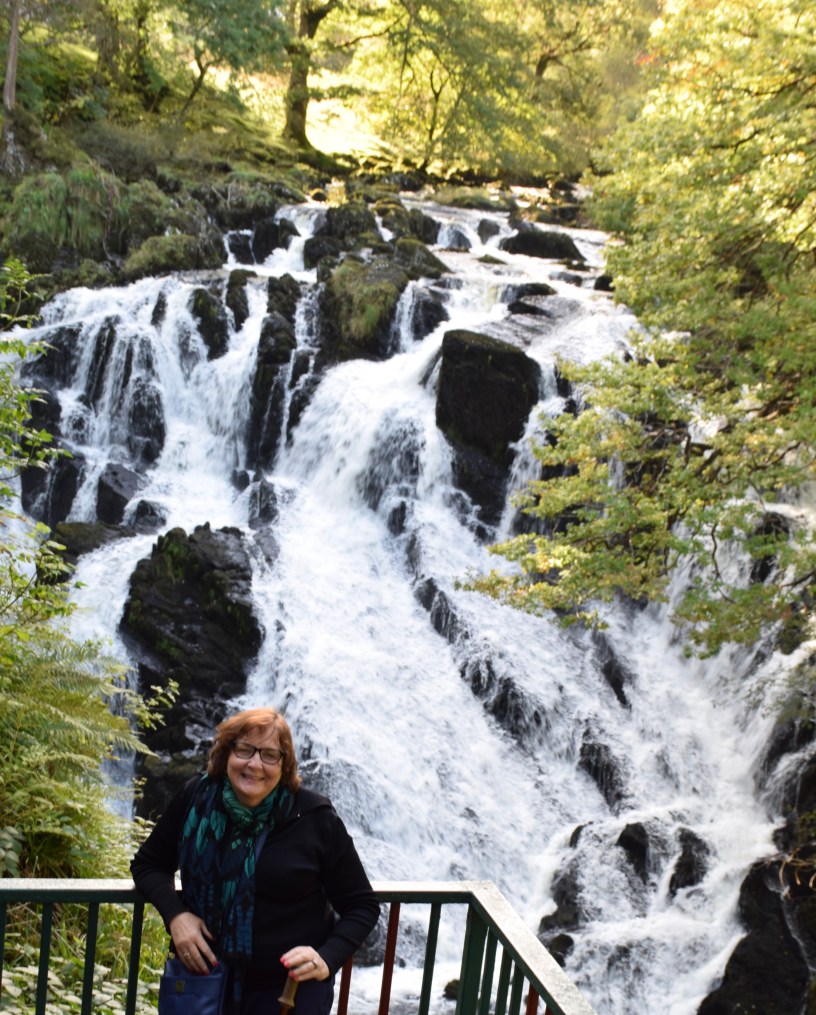
The feature photo of the waterfall is in Snowdonia National Park (“a top region” according to Lonely Planet’s “Best in Travel” 2017). This photo was taken on our drive toward our final destination, Birmingham, of our road trip. Here is a brief outline of our 2016 UK road trip around parts of England and Wales over 2+ weeks:
Arrived in Winchester, England (via Amsterdam/Southhampton airport…20 min drive) – 22/9/16; Oxford; Hay-on-Wye (think we may have preferred staying at Ross-on Wye?); Cardiff (capital of Wales); Tenby (on the seaside); Snowdonia National Park (Ty Gwyn Historic Hotel) Nth Wales (see last photo of post); Birmingham (Eaton Hotel)…we also enjoyed stopping at the pretty town/small city of Shrewsbury for lunch on our final day of driving toward Birmingham.
Shrewsbury would be a town we would like to re-visit one day as well as West Bromwich (near Birmingham) – maybe to see the church where my paternal great grandparents were married.
Here’s a view of Shrewsbury…
One of many highlights of this road trip was spending half a day at Blenheim Palace in Woodstock England (could be a day trip to/from Oxford) – photo below. This palace was Winston Churchill’s childhood home and now includes a fascinating museum as well as beautiful gardens.
After exploring parts of Wales (not far from this palace), including Cardiff for a few days, we then drove north, with our final UK destination, Birmingham.
A family history diversion from travel stories…
This post is part travel journal (of a history nerd!) and partly a record of family history, so if you’re more interested in the travel side I suggest skimming over the next section and onto the notes/photos from “back to Birmingham and beyond”.
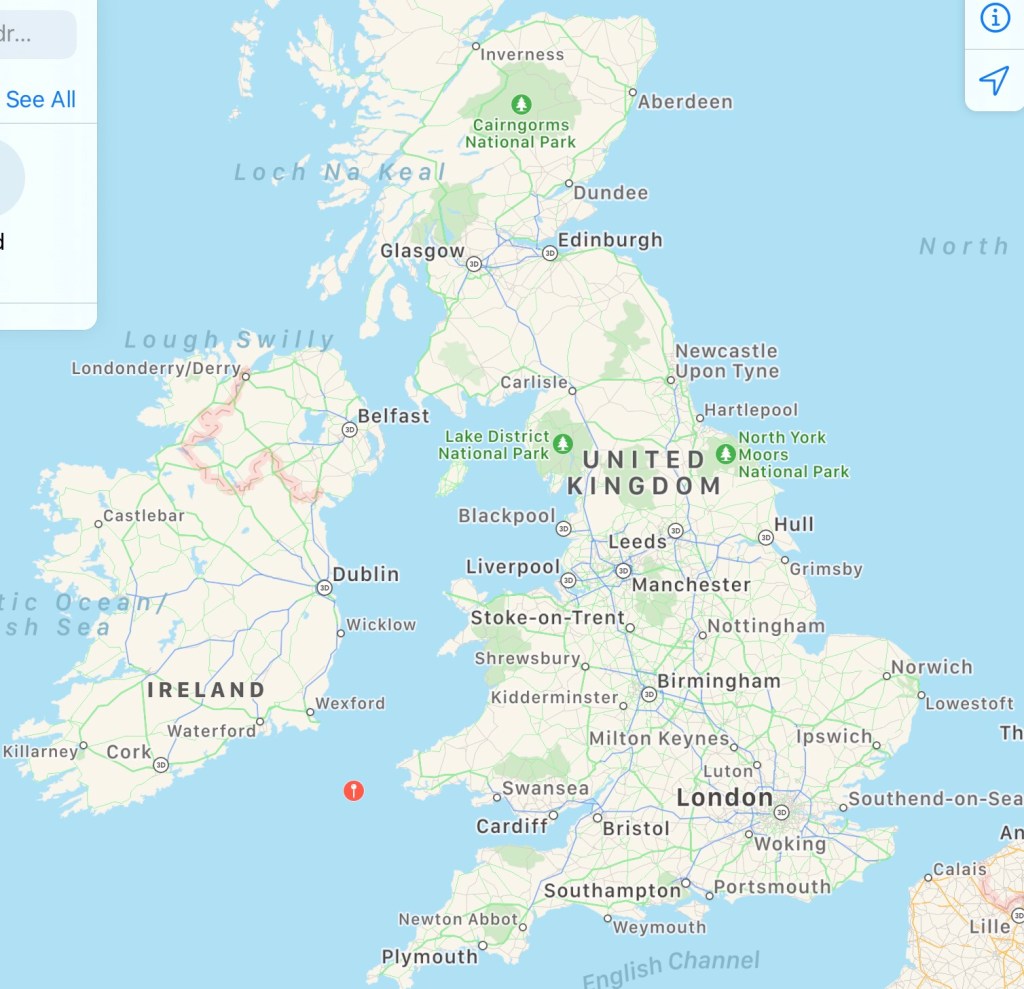
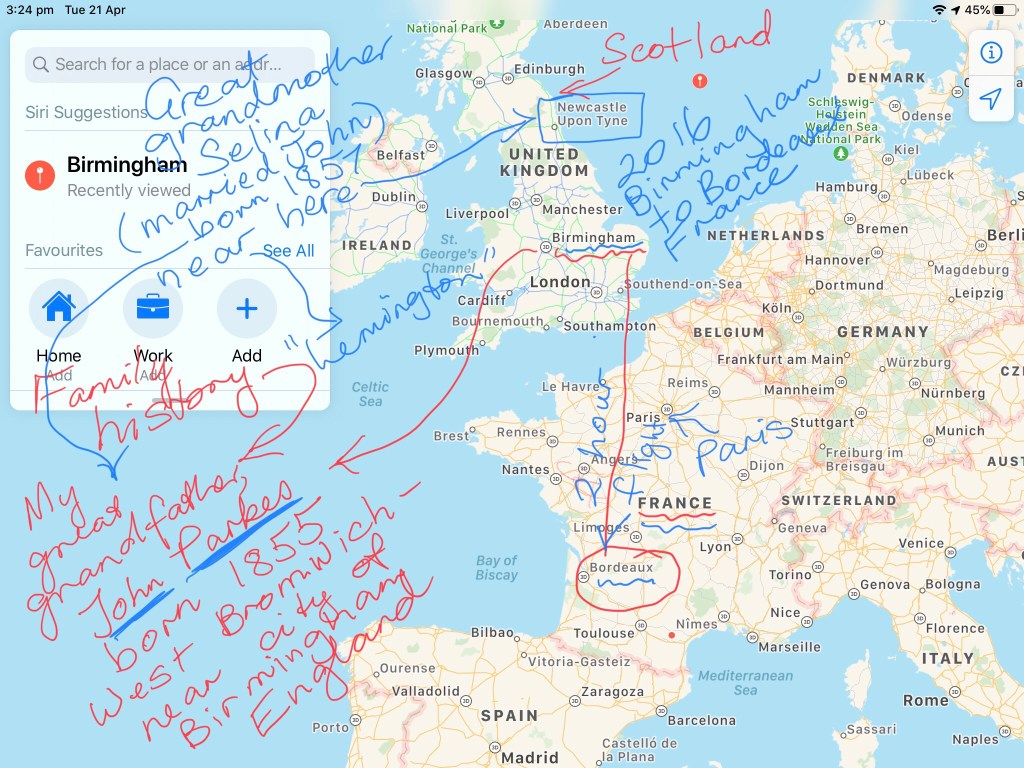
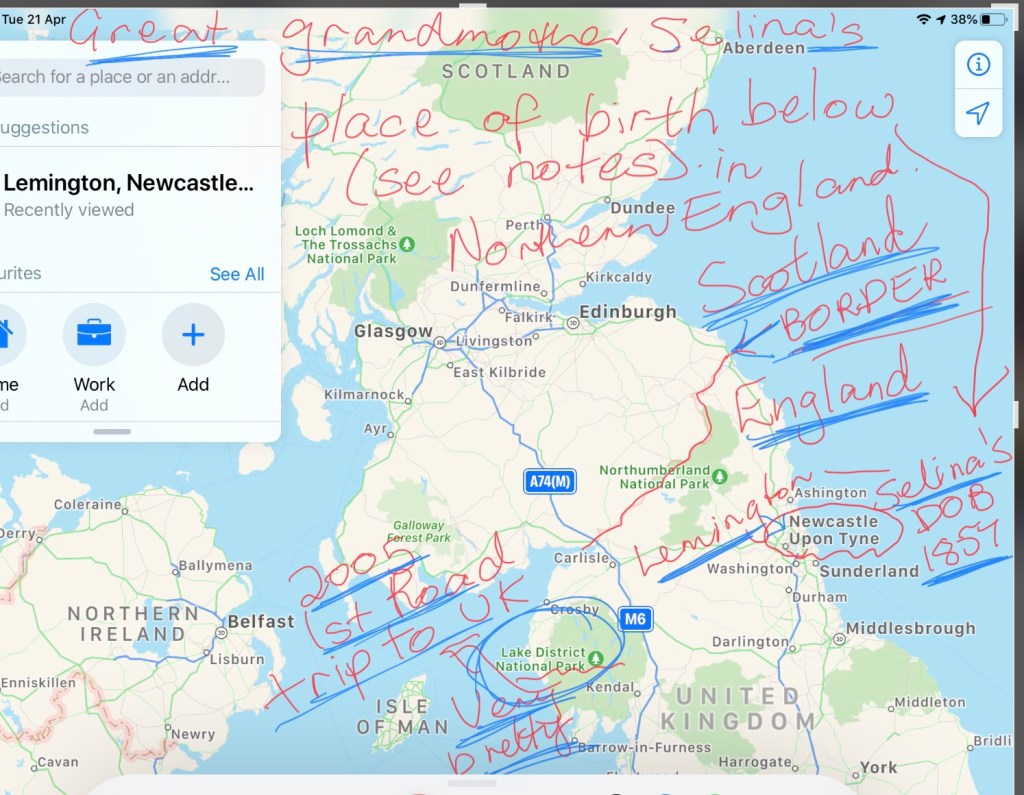
My sisters, cousins and I have a family connection to the Birmingham region as our great grandfather originated from a town not far from Birmingham (West Bromwich)…noted in my rough notes on map below…
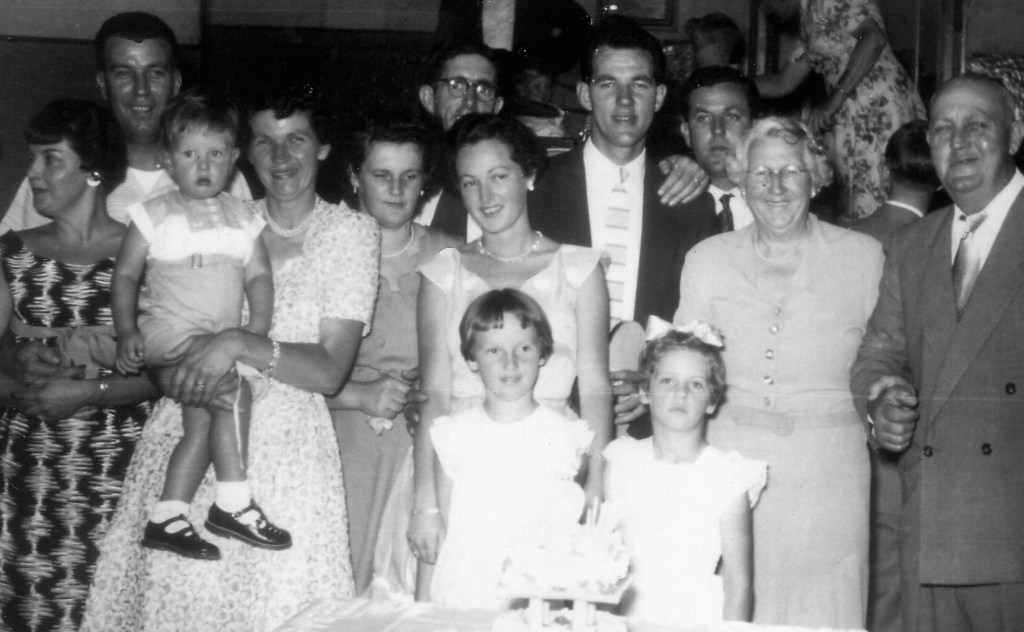
We visited Newcastle, NSW, Australia, just before the 2020 pandemic began as we went to a funeral near there for my Aunt Marie (our father’s youngest sister). As often happens at funerals, it was lovely to catch up with cousins and my father’s other younger sister, Betty (now 94).
Betty is at LHS of photo above holding a boy (who I think is my cousin Ross?…reminds me to check with Betty). Betty is now the last of the 5 children in the Walford family: Jack; Mervyn (our father); Betty; Marie; Leslie. The family connection to the Birmingham region comes from our grandmother’s family – Nana’s father was John Parkes and notes on his birthplace & marriage to Selina – West Bromwich – can be seen on map below.
Our late Aunt Marie, even with her physical frailties at the end of her life this year at 90 years of age, had a wonderful memory and she is survived by her older sister, Betty (94) who also has a great memory. Betty’s memories got me thinking…So I looked into where my great grandparents came from. Betty was helpful but had many questions as well.
So I’ve been partly researching this post for Betty as well – but at 94 she won’t be following this online. I have snail mailed the following maps to her with rough notes I’ve made. Interesting thing is that many people are using Australia Post during these strange times (2020 Pandemic) so it took 2 weeks for a standard sized envelope to reach her!
Talking of the pandemic…another family history connection…Betty was able to tell me a little on what she heard about the Spanish Flu pandemic of 1918 (post WWI) and how that affected her “Aunt Louisa” (born 1880…17 years before our grandmother Gladys (Betty’s Mum of course) in 1897. For kids…large families and age ranges were common in those days.
Even in my own childhood family there was a similar age range between my eldest sister Laurel (born 1947) and my youngest sister Linda (born 1964)…a family of 5 daughters with me, the middle girl – Dec 1955.
Betty tells me that her Aunt Louisa’s husband returned from WWI and shortly after died from the 1918 pandemic – “the Spanish flu”. Betty then said “Louisa died not very long after that leaving 2 young sons”. Our grandmother, Gladys, along with other family members helped to raise those sons who then served in WWII. I wonder how their lives eventuated after so much trauma.
Betty also said that the other sad thing was that our great grandparents (Louisa and Glady’s parents of course), “died not long after their eldest daughter Louisa and their son-in-law”. What a horrible time it could be around 2 world wars and particularly traumatic for Louisa’s young sons.
So this led me to asking who were these great grandparents and where did they come from?
Our great grandfather was John Parkes – born 1855 near Birmingham (North Bromwich to be exact); our great grandmother was Selina Crewys – born 1857 near Newcastle-Upon-Tyne (see northern part of England on map below – near the border with Scotland).
I asked Aunty Betty why they immigrated…she thinks it was related to his work related to “maritime activities” but she was unsure…maybe they were looking for a more prosperous life in Sydney like many other immigrants. That part of England can have a bleak climate quite often and many, like my maternal grandfather, Robert Gray, who immigrated from Scotland, sounded positively joyful about his move to the Sydney harbour front in Balmain.
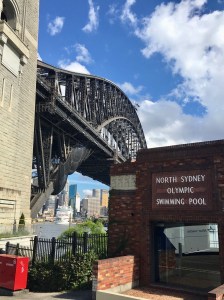
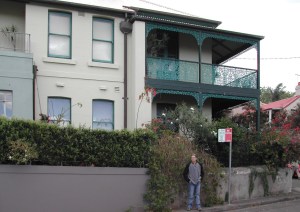
In later years they had a view of Sydney Harbour Bridge (photo below). Sadly the large terrace house where they raised a large family was sold for a bargain (to a real estate agent) in the 1970s. Our mother wasn’t impressed but couldn’t afford to purchase the house at that time even though she tried to convince 8 of her siblings to hold onto the house. All of them had young families at the time, so understandably didn’t have the means to continue with costs of keeping the house within the family. Mum and many of us in the family were sad about that.
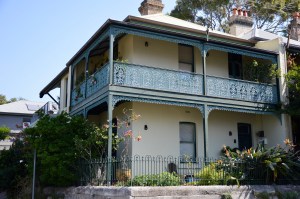
More on our maternal grandparents another day….Today, back to our paternal great grandparents, John and Selina…they had these children…the youngest was our grandmother, Gladys (“Nana Walford” to us who also lived near Balmain):
Louisa….1880; Martha…1882; Amy…1884; Susan…1887; John W…1890; Eliza A….1892; Gladys…27 Feb 1897.
Our grandmother, Gladys, then married our grandfather, Leslie Walford (Paree)…more detail to be added later but they can be seen on RHS of photo above accompanied by their 5 adult children and oldest granddaughter, Laurel (my late sister…born 1947). Laurel died from melanoma in 2016 – a big shock for all of us:(
BACK TO OUR 2016 TRAVELS IN/NEAR BIRMINGHAM...
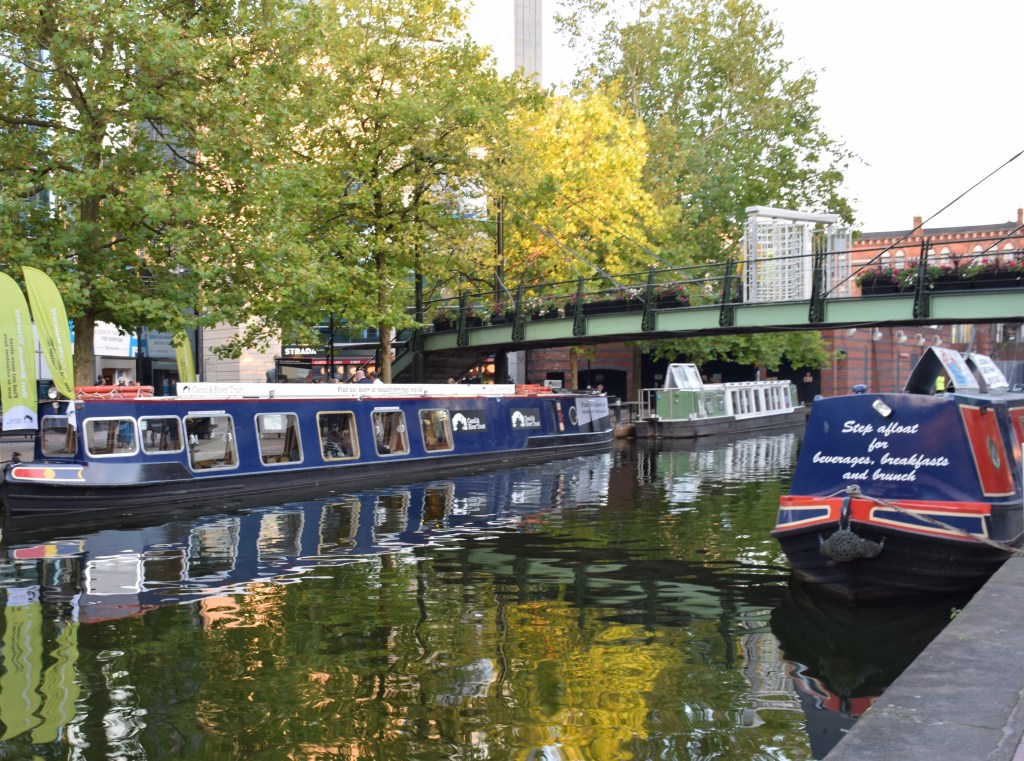
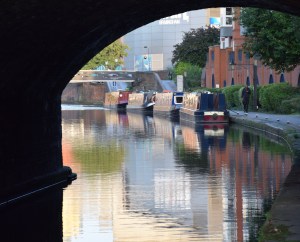
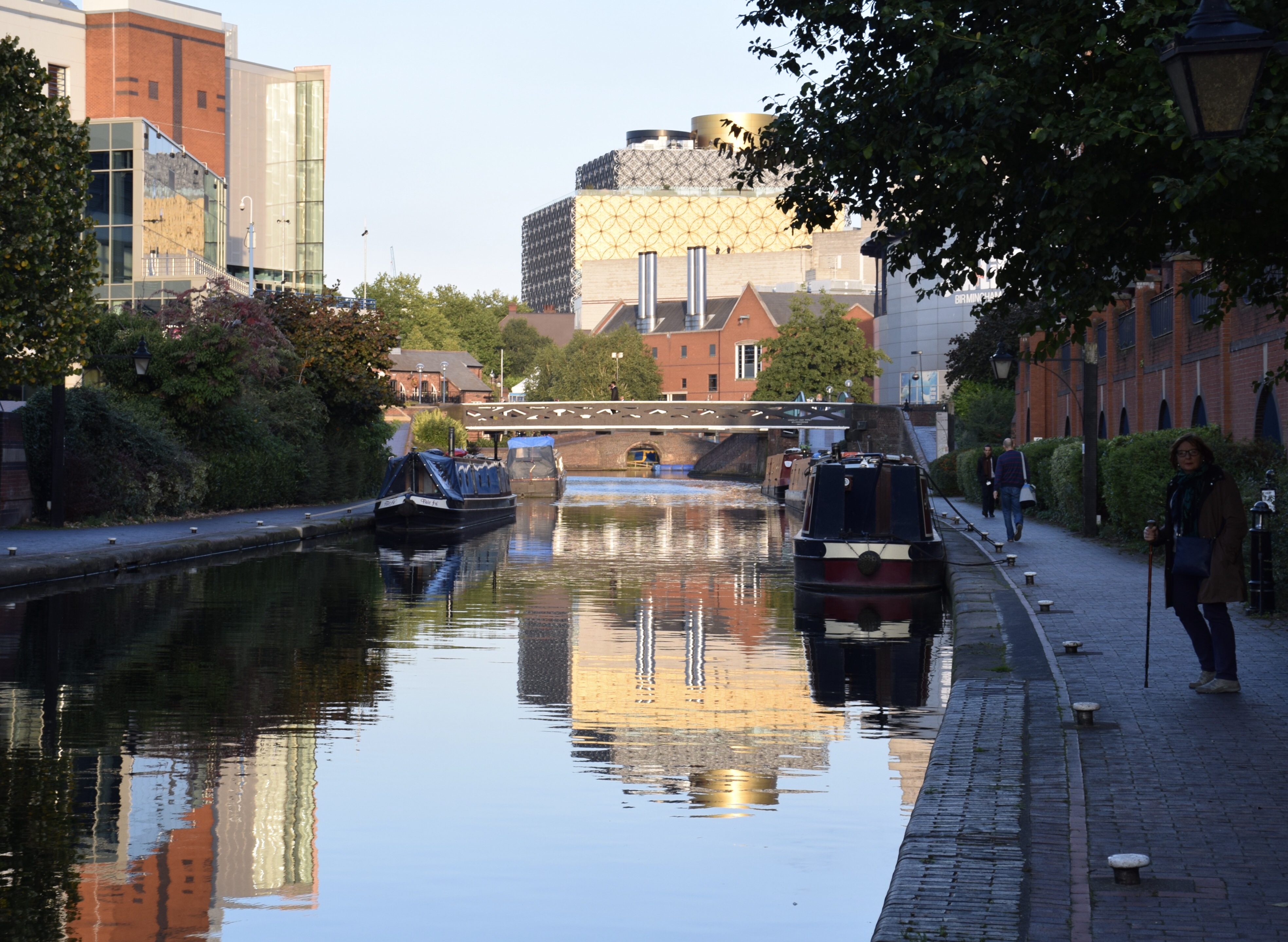
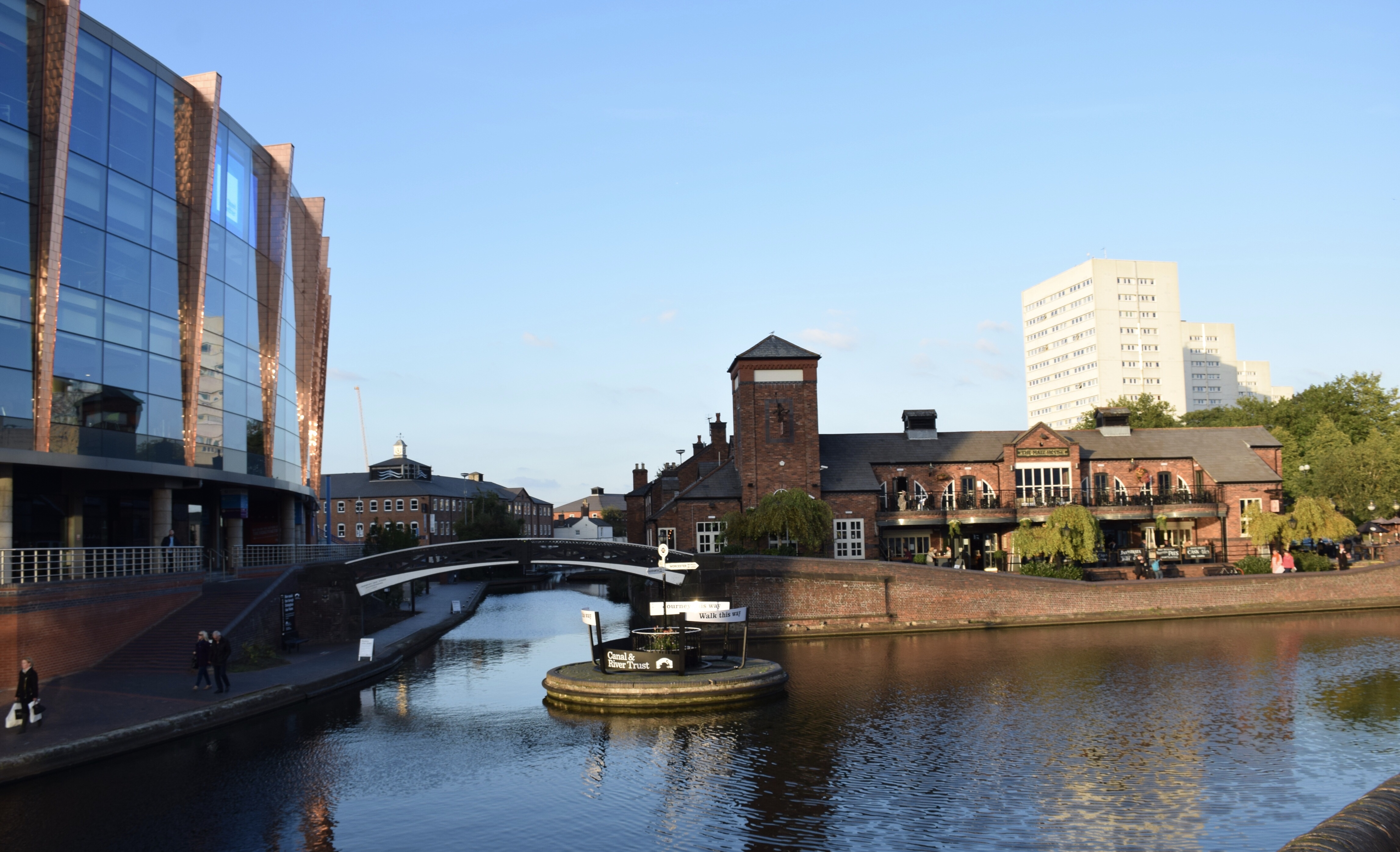
In Birmingham’s inner city, I loved the mix of both beautiful historic buildings and their modern architecture as can be seen in the photos below. The canals still give the city such a unique character as all the buildings wind around the canal thoroughfares.
The barges and boats on the canals are used for a variety of purposes – mostly various business ventures including restaurants but some we heard can be hired – much like houseboats.
A bit of history that might be of interest to teachers, history nerds like me and children?…if not, skip over the next section😉…
The walks also inspired me to read up a bit on the history of Birmingham re the Industrial Revolution and Britain’s part in significant innovations eg. The steam engine…here’s a link… https://www.google.com.au/amp/s/amp.interestingengineering.com/james-watt-father-of-the-modern-steam-engine that some adults and even children might find interesting as there’s a 1+ min video here if you’d prefer a fast fact or 2.
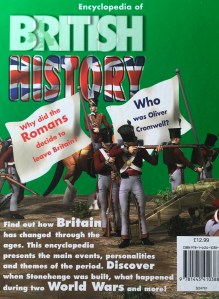
Engaging older children in history...When I was teaching a few years ago (volunteering more recently) I found that a combination of both online resources and “real books” is the best approach. I still love a good children’s encyclopaedia like the one in the image below. So much more engaging (and affordable) compared to the boring sets we used in our childhood days.
The Chapter on The Industrial Revolution is particularly relevant to the Birmingham region…the “revolution” started around 1760s and by 1830, Britain was the most industrially advanced country in the world.”…”industrial advances soon followed in Europe, America and elsewhere.”…”improved roads and construction of canals and railways meant that transporting goods was relatively cheap and easy. There were rich natural resources such as coal and iron.” (Mining became a major industry…see image below). “Britain also had overseas colonies to provide cheap raw materials, such as cotton from India. These same colonies provided a ready market for manufactured goods as well.” P124
Another chapter in this book is on “Canals and Railways”…the first 11 km canal was opened in 1761 between Worsley and Manchester (not far north of Birmingham). After that success “landowners and business people around the country were forming companies to raise money to build canals linking towns and cities with industrial centres.”…in and around cities such as Birmingham – they mostly became a means of transporting goods such as coal from the mines to cities with factories and manufacturing.
Transport by railway…”in the middle of the 19th Century (1850+), British railways provided a cheap, efficient and fast way to move both people and goods around the country, and Britain was soon exporting its railway technology to countries around the world.”P127 During this early stage of rail transport, the trains were powered by steam.”
One gorgeous railway station in rural Nth Wales/English border (compared to Australia nowhere is very far in UK!) is
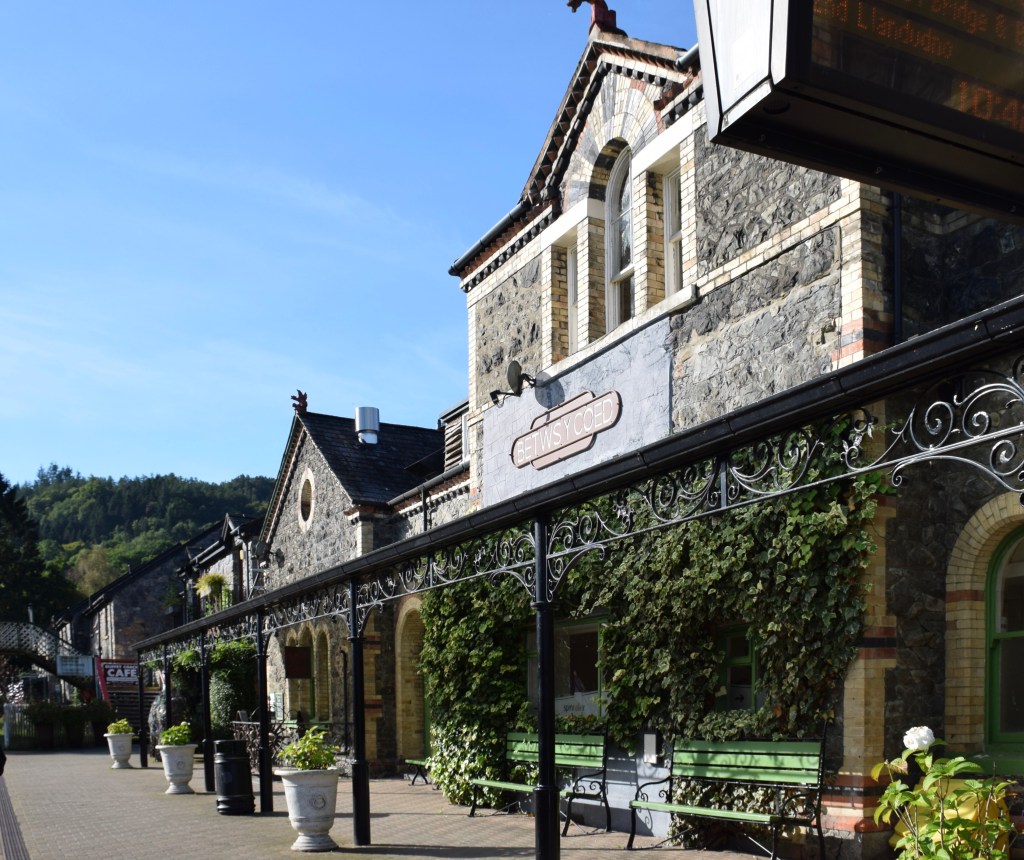
These days it’s possible to travel around all of the UK by train on their extensive rail network but on this trip in 2016 we traveled via hire car.
“The first iron bridge…was erected in 1779 across a river in Coalbrookdale. That achievement was possible because in 1709 Abraham Darby discovered how to smelt iron ore using coke (made from coal) as a fuel – an important breakthrough.”
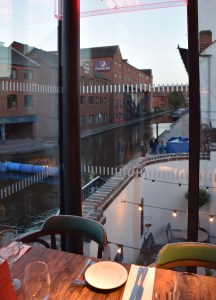
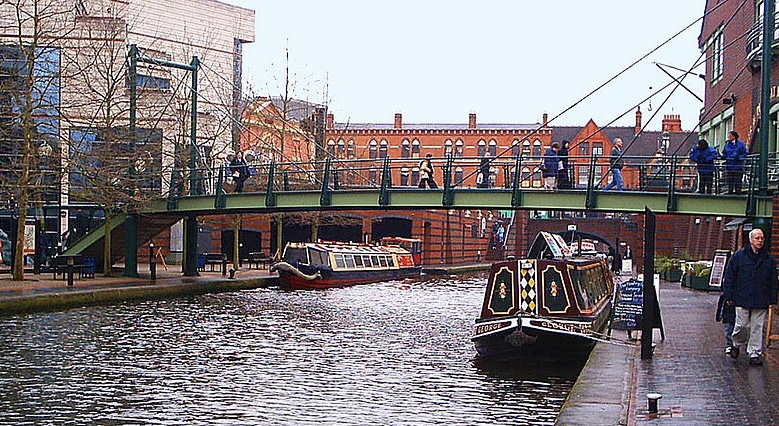
Back to Birmingham…The city was buzzing on the night we visited as Teresa May, the British Prime Minister, was in town for a huge conference with hundreds of politicians et al.
On leaving our hotel (The Eaton) for the airport/flight to Bordeaux, the security around Birmingham CBD was unbelievable…on reflection we didn’t plan our departure (via our hire car) to the airport well. Our Sat Nav kept trying to direct us to the best route but we were often turned back by security blocks. It was stressful and we were anxious about connecting with our flight. I now insist we carry an up-to-date hard copy of a map in our glove box at all times and/or we rely on a hotel driver or reputable taxi company.
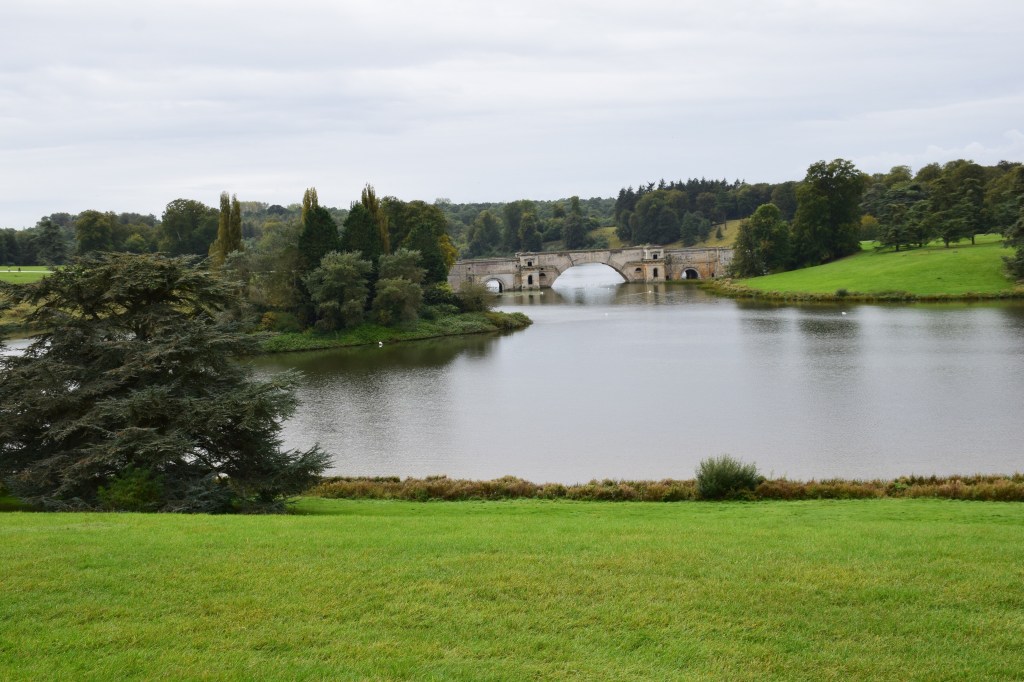
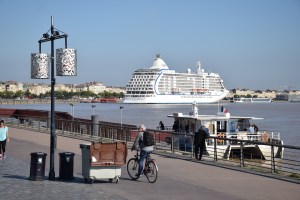
We finally made the flight (with time to spare!) and arrived in Bordeaux, France, where we stayed again near the inner city…but before I finish writing about England (specifically Birmingham and surrounds)…below is one of my favourite photos from our road trip around Wales and England just a day or so before we arrived in Birmingham…
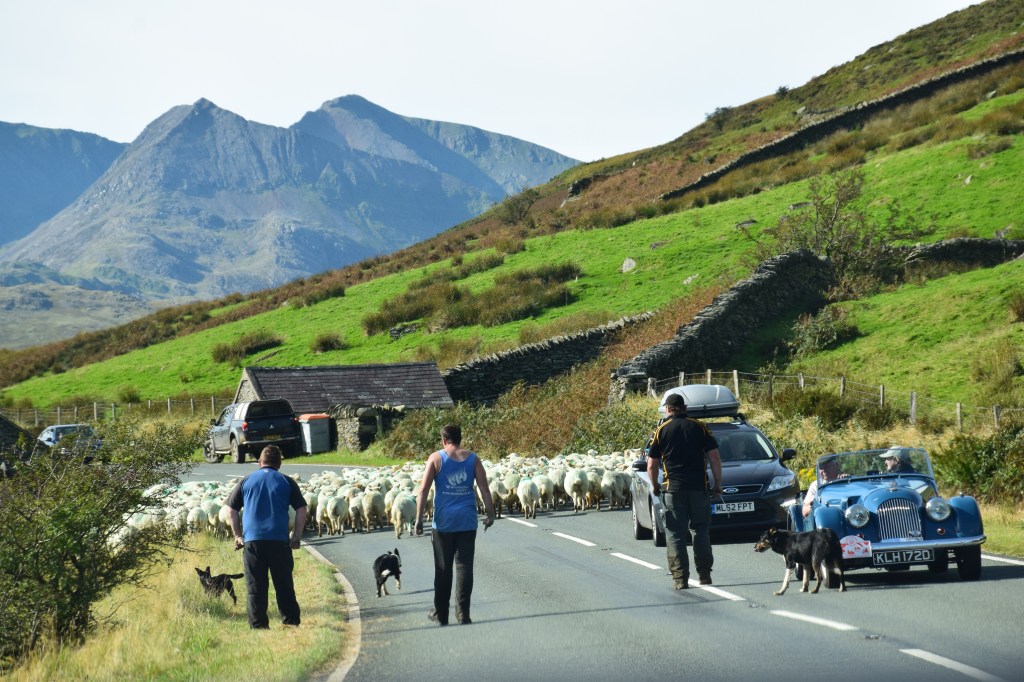
Just the other day I was reminded of this beautiful countryside when I heard this wonderful podcast on ABC radio “Conversations” with James Rebanks “The Hardwick Shepherd” … https://www.abc.net.au/radio/programs/conversations/james-rebanks-live-rpt/12261202 James Rebanks has such warmth, personality and an infectious sense of humour – highly recommended.
Britain to Bordeaux (France)…if interested see my past posts on our week in Bordeaux followed by a wonderful day of travel – a train trip south to Spain. The highlights were great views from the train of Biarritz in South of France – just 25 km from our destination that day – Sans Sebastian in Spain. Some say Biarritz is the French answer to San Sebastian…a seaside town just 20 minutes from the border. Biarritz is also known for surfing…and great food of course (see recipe at end of this post). From a distance looked (and later sounded) like an interesting place to stay…even just a virtual visit in our strange new world!
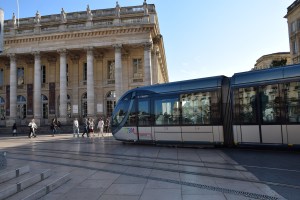
Bordeaux, France…

MY RECIPE INSPIRATIONS FROM BORDEAUX AND BIRMINGHAM
“ A traditional recipe that has been made in France for hundreds of years. Make sure you use a dry rather than a sweet wine”
Mussels in white wine and cream – “Moules Mariniere” (P93, Gourmet Traveller May 2025 – on loan from Ulladulla Library 12/7/25)
Note: “ensure you use dry rather than sweet wine…in this traditional recipe”
2 tbsp vegetable oil (canola is healthiest according to my dietitian with a Masters from ANU but with a lot of cream in this recipe…maybe tip defeats the purpose😉); 2 kg mussels (cleaned w/- beards removed), dill sprigs, lemon wedges and baguette.
Onion Sauce:
80 gm unsalted butter, chopped; 600 g small onions (about 6), thinly sliced; 2 tsp dried mixed herbs; 1 bay leaf; 1 tbsp plain flour; 200 ml white wine; 250 ml (1 cup) fish stock; 250 ml (1 cup) thickened cream
Method
- For onion sauce, heat butter in a saucepan over medium-low heat. Add onions, dried herbs and bay leaf and cook, stirring occasionally until softened (10-12 min). Increase heat to medium-high. Add flour and cook, stirring , for 2 minutes. Deglaze with wine; reduce by half (4-5 minutes). Add cream, bring to a simmer, then remove from heat. Sauce can be refrigerated for 3 days.
- Heat oil in a large saucepan over high heat. Add mussels, cover with a tight-fitting lid and cook, shaking pan occasionally, until mussels begin to open (2 minutes). Add onion sauce, bring to a simmer, stirring occasionally, until mussels open (2-3 min).
- Divide mussels among serving bowls, scatter with dill; serve with lemon wedges and baguette on the side.
Serves 6 as a starter – Prep 20 min – cook 25 min
Another French classic recipe in this Gourmet Traveller magazine is Roast Chicken (halved) with jus and potato frites P90 of same May 2025 Magazine.
1 whole chicken (1.6 kg)…butterflied at room temp; 100 gm duck fat; 1 head of garlic; halved horizontally; 150 ml white wine; 300 ml brown chicken stock (see note); 2 each thyme and small rosemary sprigs, plus extra to serve.
- Preheat oven to 220 deg C fan-forced. Remove wishbone, then halve chicken lengthways on either side of the breast bone (discard breast bone).
- Season chicken. Heat duck fat in a large cast-iron frying pan over high heat. Add chicken, skin-side down, and cook until golden (3 min). Turn chicken, add garlic halves to pan then transfer to oven and roast until chicken is golden and juices run clear when thigh is pierced with a skewer (35-40 min). Remove from pan; set aside to rest (15 min).
- Carefully drain excess fat from pan. Return frying pan to medium-high heat; squeeze garlic from its skins into pan, add wine, stock and herbs; simmer until reduced to a jus (7-8 min).
- Arrange chicken on a serving plates. Scatter with extra rosemary and serve with jus and frites on the side.
- NOTE: the best chicken stock is made from scratch. If unavailable substitute chicken bone broth.
My French recipe inspirations for this post…
John Dory Meunière…a classic seafood recipe using John Dory; whiting, snapper or “any mild-flavoured , white-fleshed fish is great here.” Also good with prawn, scallops and lobster says famous Sydney chef Neil Perry…https://www.goodfood.com.au/recipes/neil-perrys-king-george-whiting-meuniere-20190408-h1dae2
A beautiful dish but not good for the hips with so much butter, so a good one for special occasions unless you’re happy/able to eat whatever you like – unlike me, my back hurts too much if I carry extra kgs:( There are many Meunière recipes on the Net but the above recipe works well and is also in Perry’s book ‘Easy Weekends’ P20 (available from Canberra public libraries).
French Onion Soup with gruyere croutons – lots of recipes on the Net but one we enjoy comes from our recipe book “World Table – Recipes From Around the World”, Women’s Weekly P74. There are many other simple French and British recipes in that book as well.
Another seaside inspired recipe from Jamie Oliver is “Chargrilled whole squid with chilli and mint”…absolutely delicious… https://www.jamieoliver.com/recipes/seafood-recipes/chargrilled-whole-squid-with-chilli-and-mint/
Birmingham is famous for their Balti dishes…basically a curry that is cooked quickly…here’s a Jamie Oliver adaption… https://www.jamieoliver.com/recipes/chicken-recipes/perfect-chicken-balti/. There are more authentic dishes online of course and the origins of Balti recipes are interesting to explore as well – just like Australia, the food culture in the UK has been greatly influenced by immigration since WWII.
Another delicious recipe from Neil Perry’s “Easy Weekends” is Barbecued pork chops with apple, potato, parsley and lemon salad.P122. Perry says “the golden rule for perfect BBQ pork chops? Don’t overcook them…
4 pork chops; S&P (white pepper); 2 lemons; 80 g unsalted butter; 2 Granny Smith apples, peeled, cored and cut into 8 pieces; 2 large kipfler (if possible I say!) potatoes (peeled and cut into 8 pieces); 1 handful flat-leaf parsley leaves; 60 ml extra virgin olive oil (EVOO); plus extra for cooking. Here’s the recipe from the Net... https://www.smh.com.au/lifestyle/neil-perrys-pork-chops-with-apple-and-potato-salad-20111020-1m9do.html
In the same book as above there’s a yum family style dish “Braised Chicken with peas and red wine + soft polenta P181. Perry says “You can make this classic braise with any meat or poultry. I have sometimes added mussels to the base for a wonderful, generous dish. I also love this dish with tinned white beans instead of peas. Just fold them through and simmer until warm. They’re creamy and delicious.
I can’t find this recipe on the Net so below are the ingredients (the method is similar to this Neil Perry chicken recipe I did find https://www.goodfood.com.au/recipes/recipe-collections/neil-perrys-braised-chicken-with-olives-and-almonds-20190415-h1di8o
8 chicken thighs bone in; S&P (white pepper); 60 ml EVOO; 1 red onion (sliced); 8 garlic cloves; 1 tablespoon julienned ginger; 2 rosemary sprigs; 4 themed sprigs; 2 long dried red chillies, seeds removed, crushed; 2 carrots (sliced into 1 cm rounds); 1 cup red wine; 400 g tin tomatoes; 150 ml chicken stock; 3 cups frozen peas; a serving of ‘soft polenta’ or Risoni, to serve
Sof polenta: 250 g polenta; S&P; 100 g unsalted butter; 150 g finely grated Parmesan, plus extra to serve
Also see my other posts on France for other recipes…if interested:)
 Train inspired travel